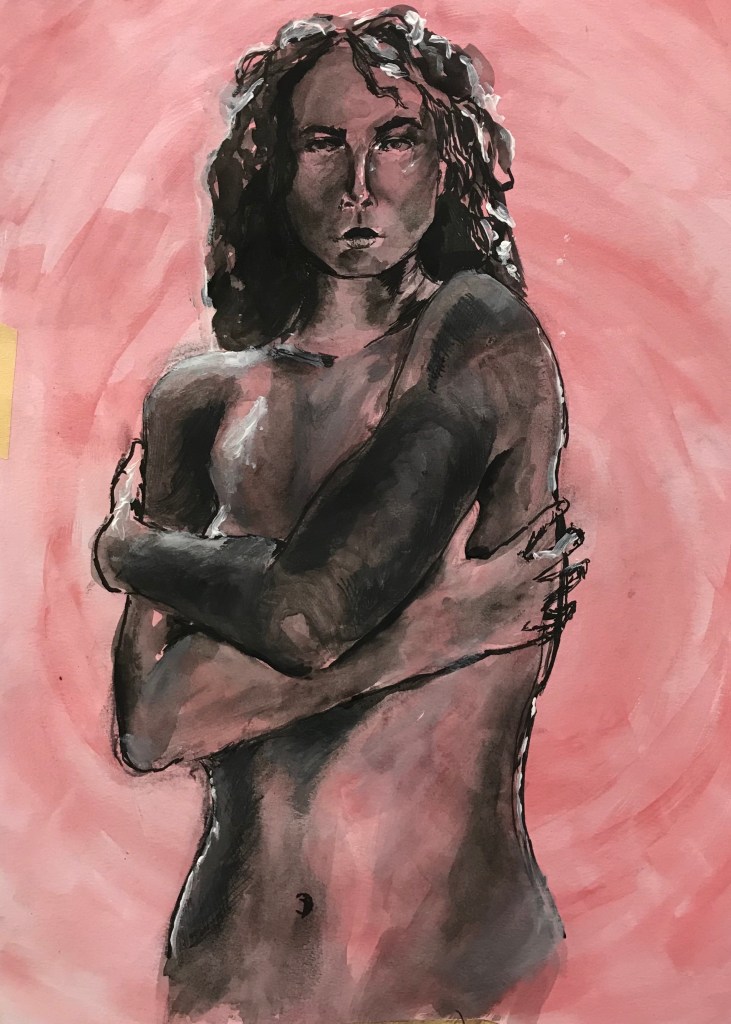
My piece titled ‘I am my own person’ was an experimental piece exploring the out come of layering different forms of media on top of each other. I found that in particular mixing quite dramatic and dark media such as ink or charcoal on top of a softer more subtle one (eg. Watercolour) emphasised drama and allowed you to draw attention to some focal points within the art which I would later incorporate in my two exhibition pieces, overlaying different media and maximising their properties to draw attention to where I desired.
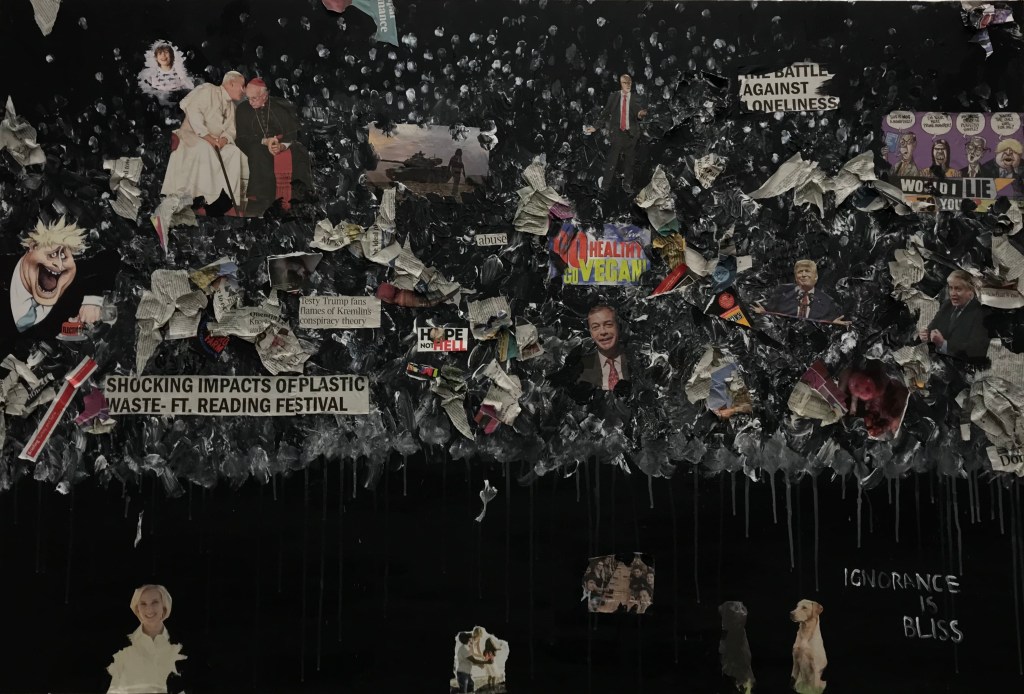
’Ignorance is bliss’ Collage layering newspaper cut outs, acrylic and pen 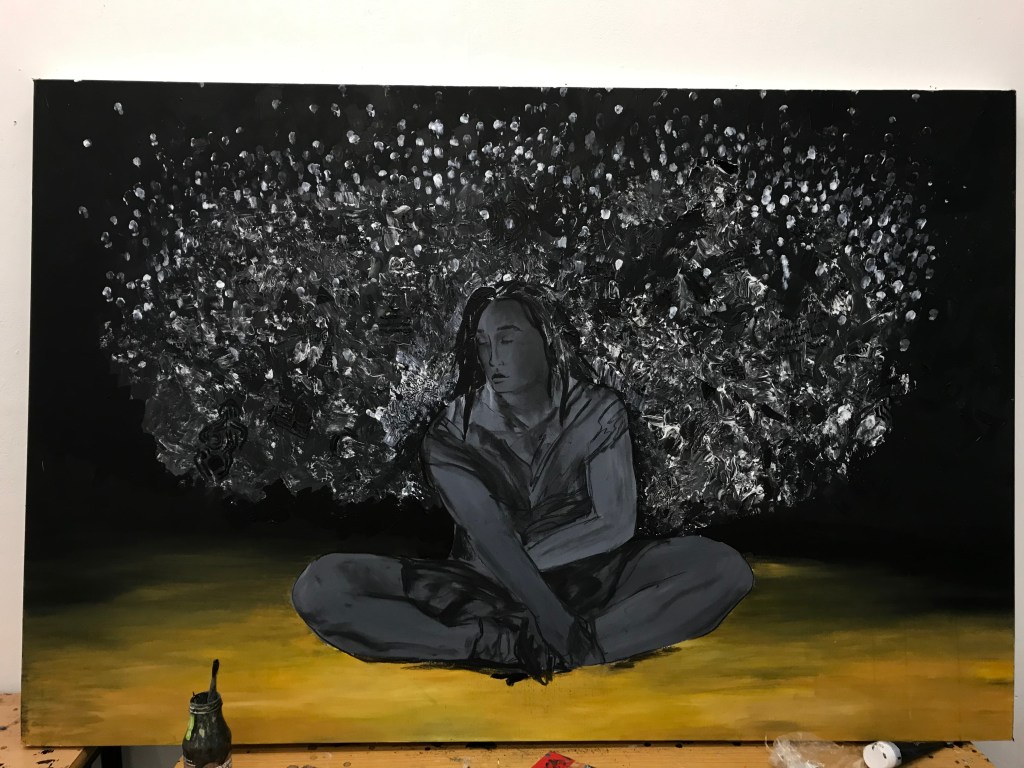
2nd development; acrylic and charcoal on canvas 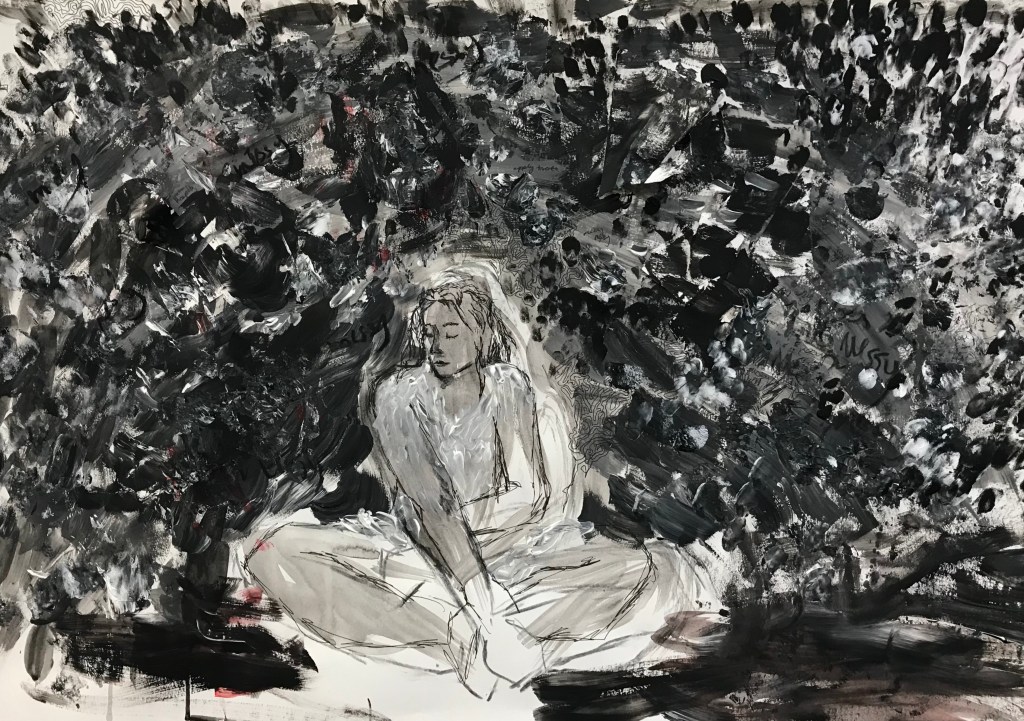
Initial piece; pen and acrylic upon paper, A1
Ignorance is bliss was my first exhibition piece and for me became quite an experimental, ever changing piece that left for quite a lot of development. Originally it existed as an ink drawing on paper surrounded by acrylic of a girl sitting in the mess of her own thoughts. This built up gradually to move onto canvas with more opaque paint covering all surface area of the canvas which ruined the original rushed, messy affect. This lead me to completely change the concept of this piece resulting in the theme changing to a highlight on society’s ignorance to the ‘big issues’ achieved by layering paint and newspaper cut outs forming my first collage; this piece in particular introduced me to the concept that I didn’t need everyone to like my artwork, instead that it could be more interesting if it created conversation.
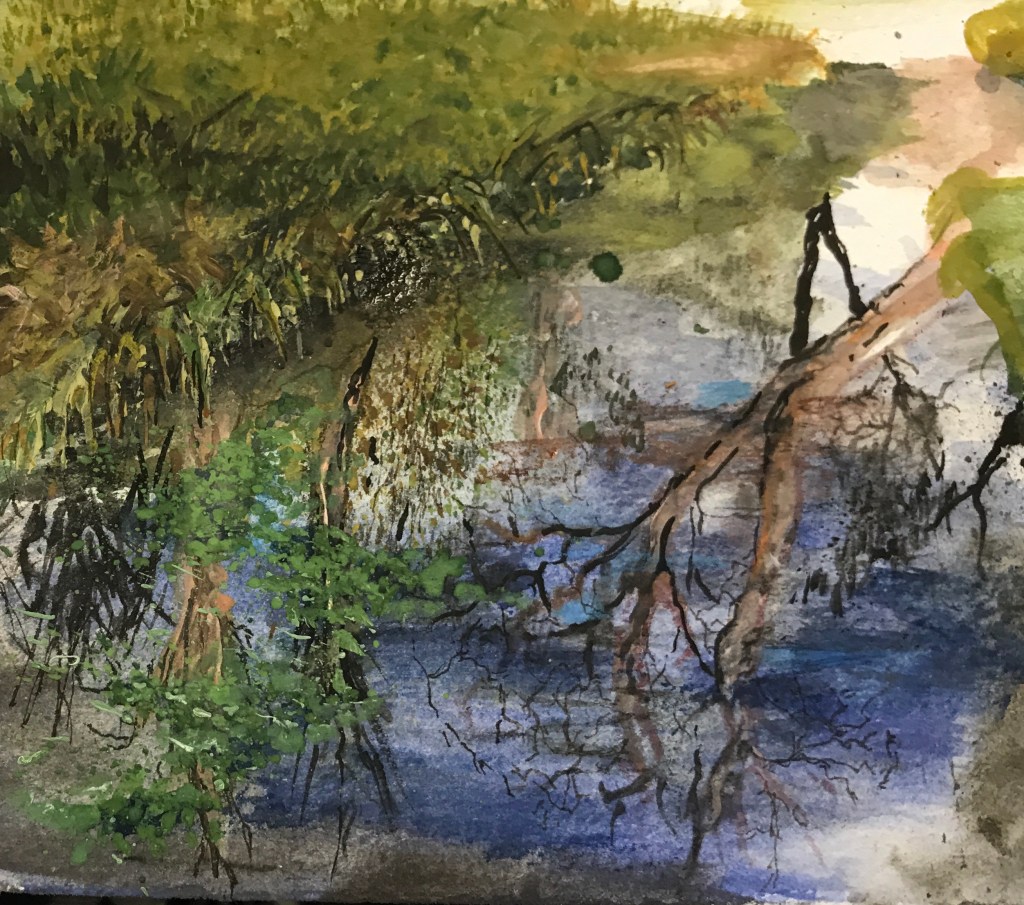
’Reflection’, watercolour 10cm x 12cm 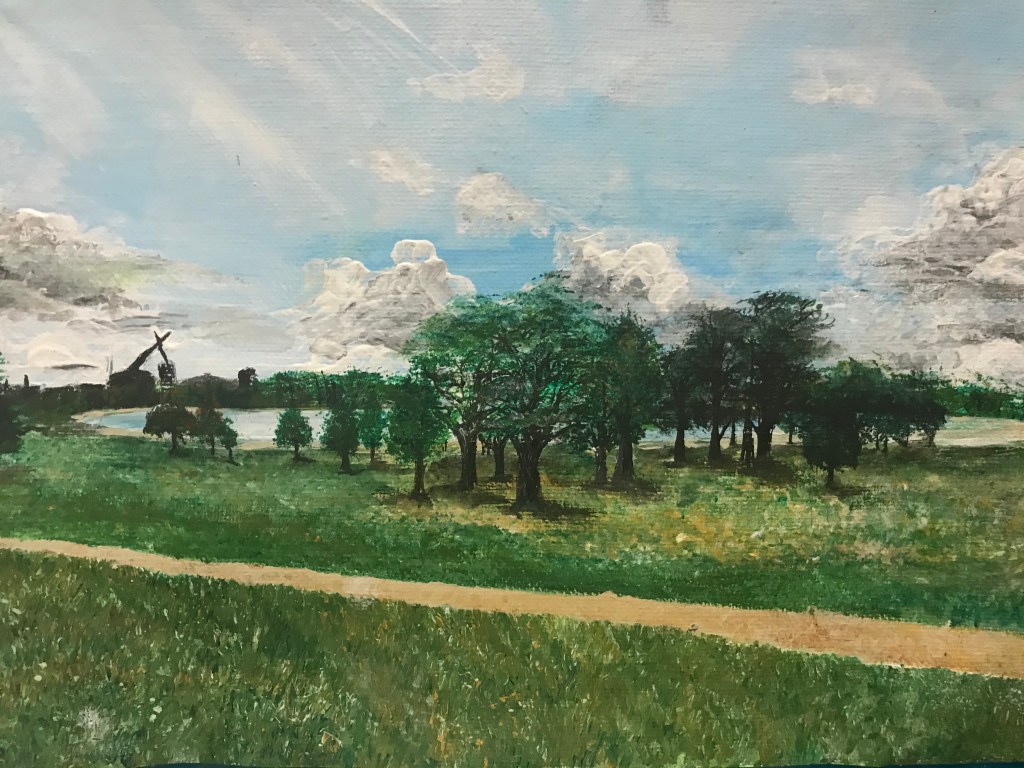
‘Sunlight in Hyde Park’ acrylic, A4 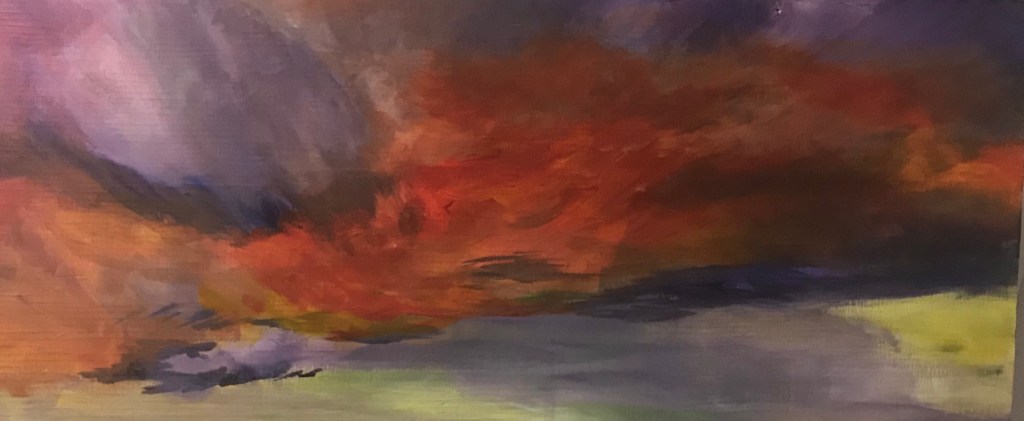
’Sunset painting the sky’ acrylic on wood, 15x7inch
‘Reflection’ and ‘Sunlight in Hyde Park’ were my first two ventures into exploring my theme regarding light. I found that whilst they both allowed for small detail and to represent my own perspective they did not highlight the central focus (light) as well as I was intending and only allowed for subtle hints at the interest which inspired the paintings originally.
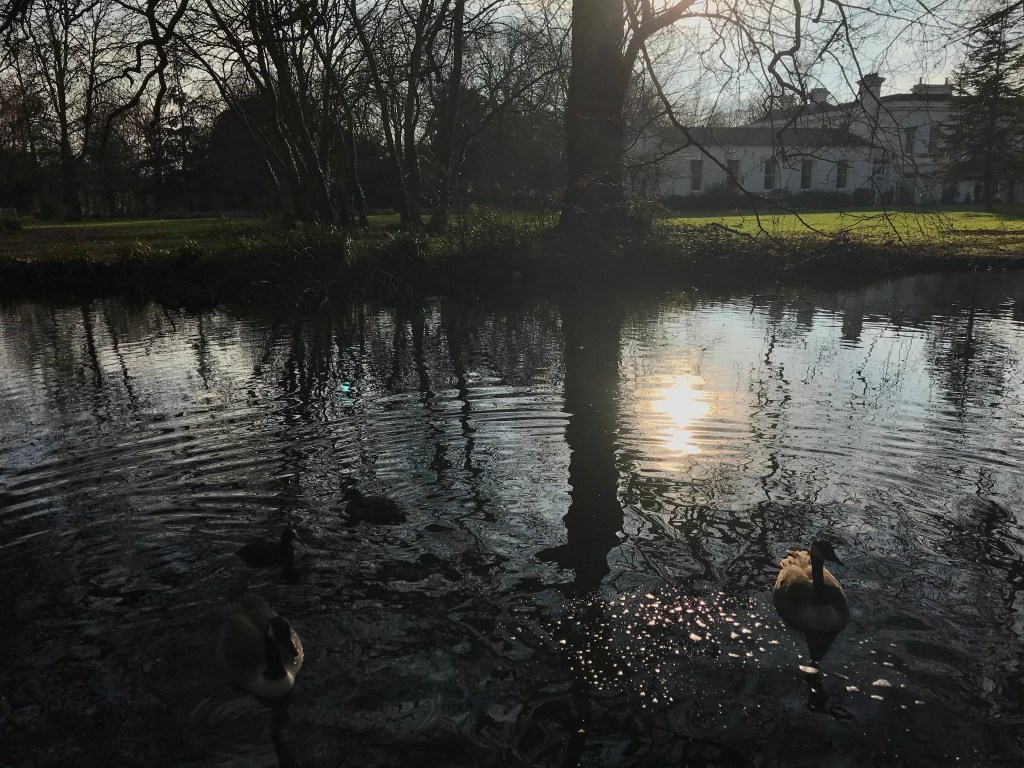
’Sunlight upon water’, photograph 4×6 inch 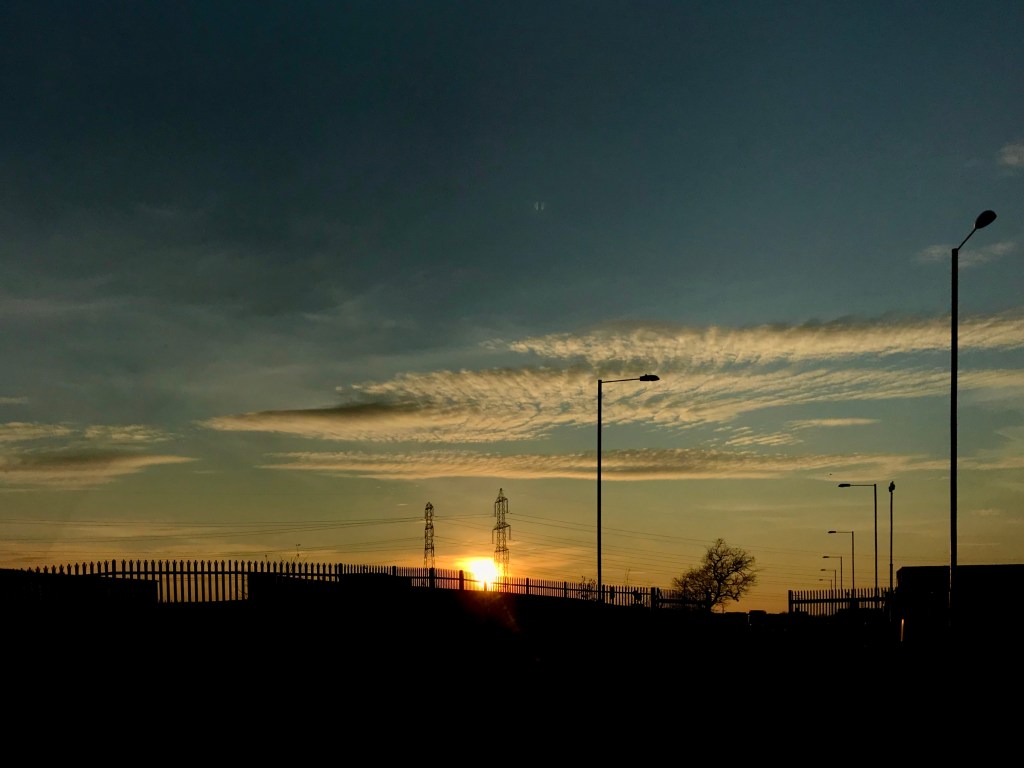
‘ Sunset in Croydon’, photograph 4×6 inch
As paint did not capture the focal point of light (whether that be reflections or sources) I tried using photography. I found that shooting alone on my iPhone 7 allowed for me to change the exposure just enough to allow the focus of the image produced to shift to the source or reflection of light (precisely what I was trying to capture). This freedom allowed me to capture different darkness levels and different settings whilst still keeping the focus of the image upon what I desired it to be whilst still having a variety of subjects within the final images which allowed for the fact that my fascination for the variety of beautiful settings either natural or man made light could allow for.
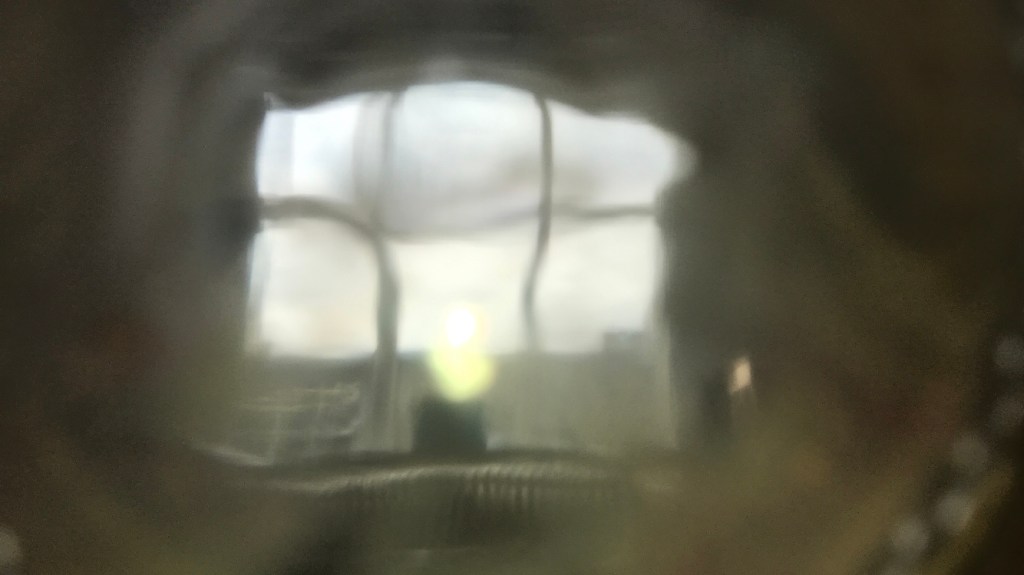
Photograph; Sunlight through a window taken through a glass bowl, 4×6 inch 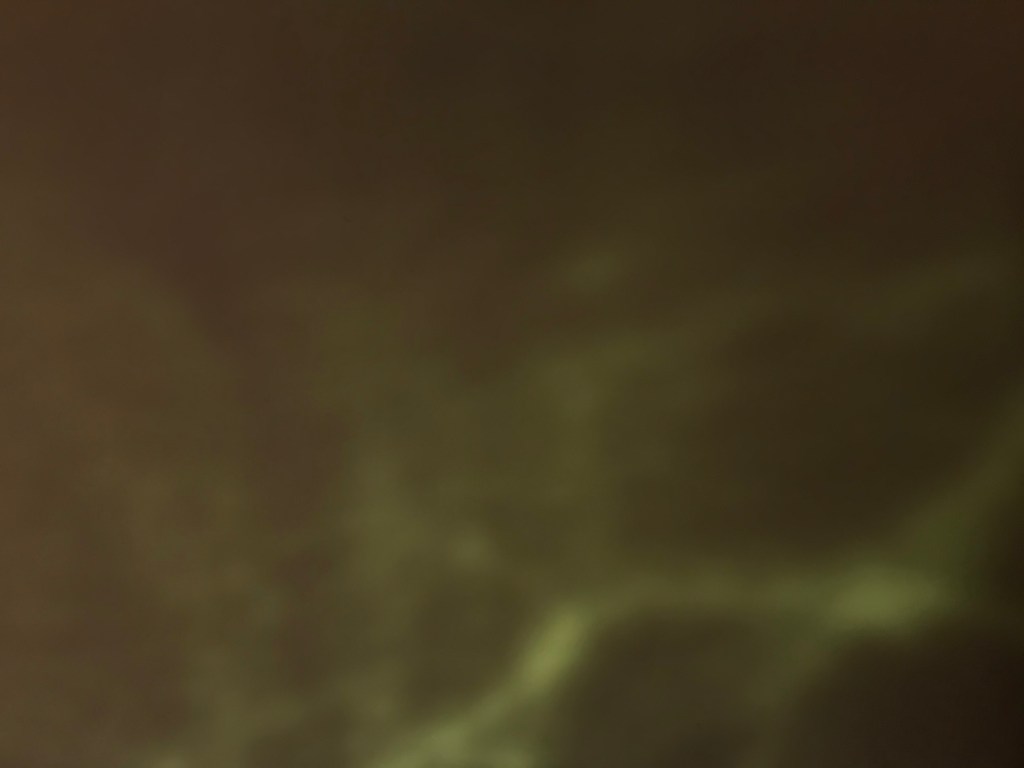
Photograph; gold foil reflected upon wall using torch 4×6 inch 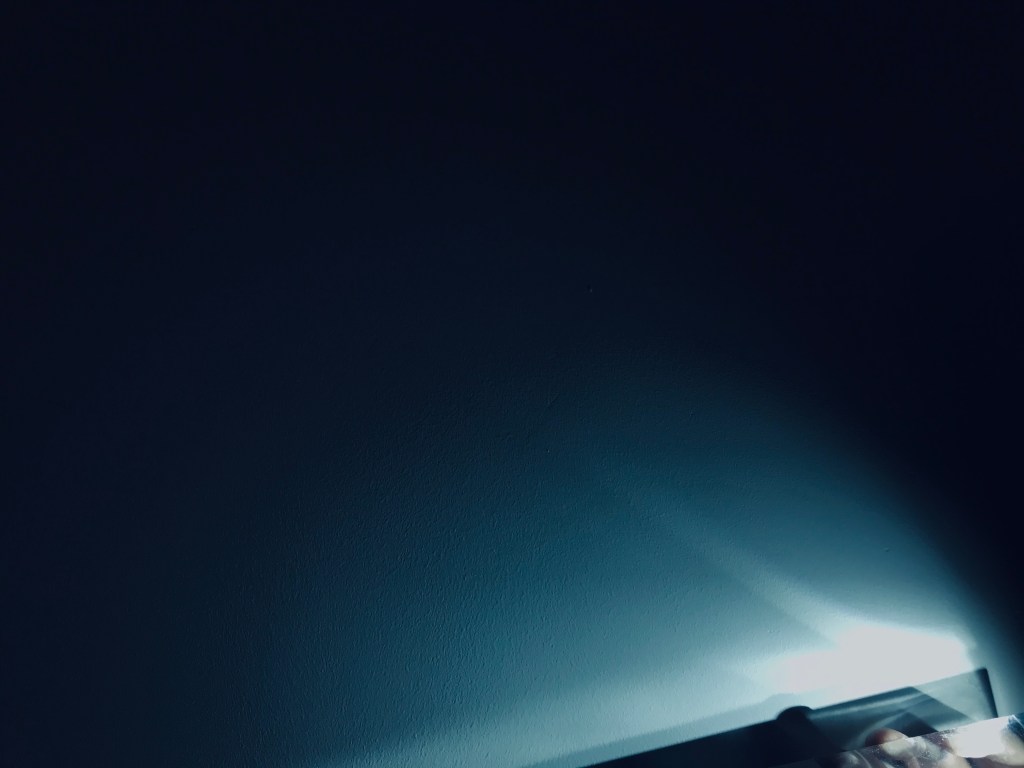
Photograph; Prism and torch, 4×6 inch 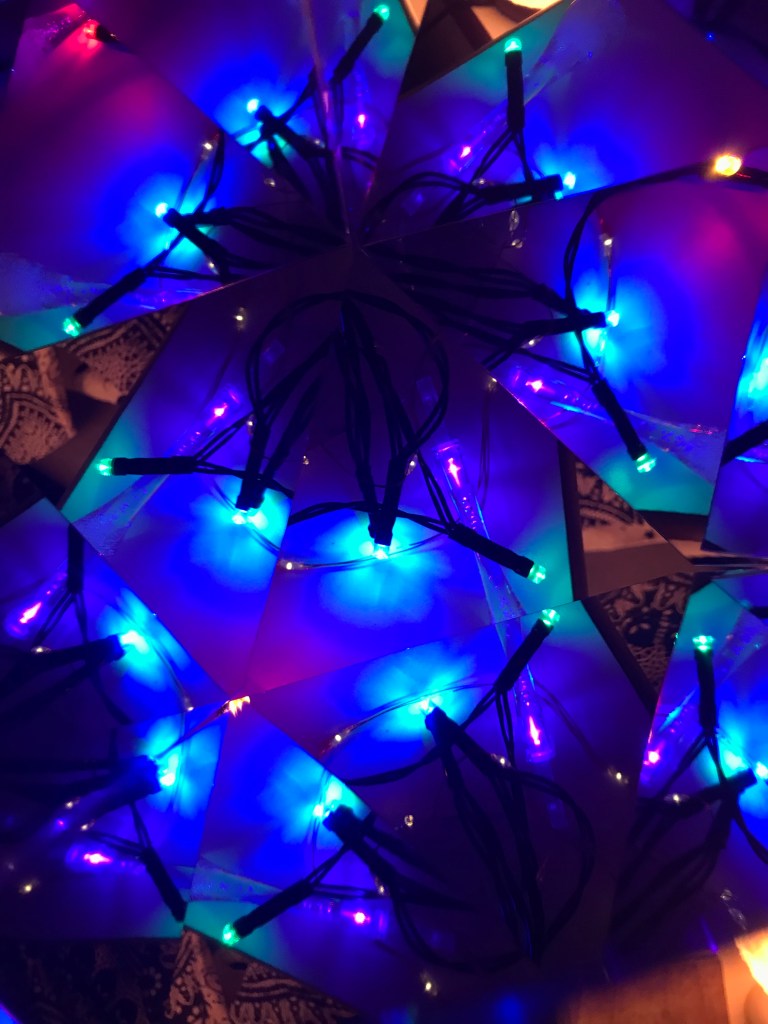
Photograph; fairy lights through three mirrors, 4×6 inch 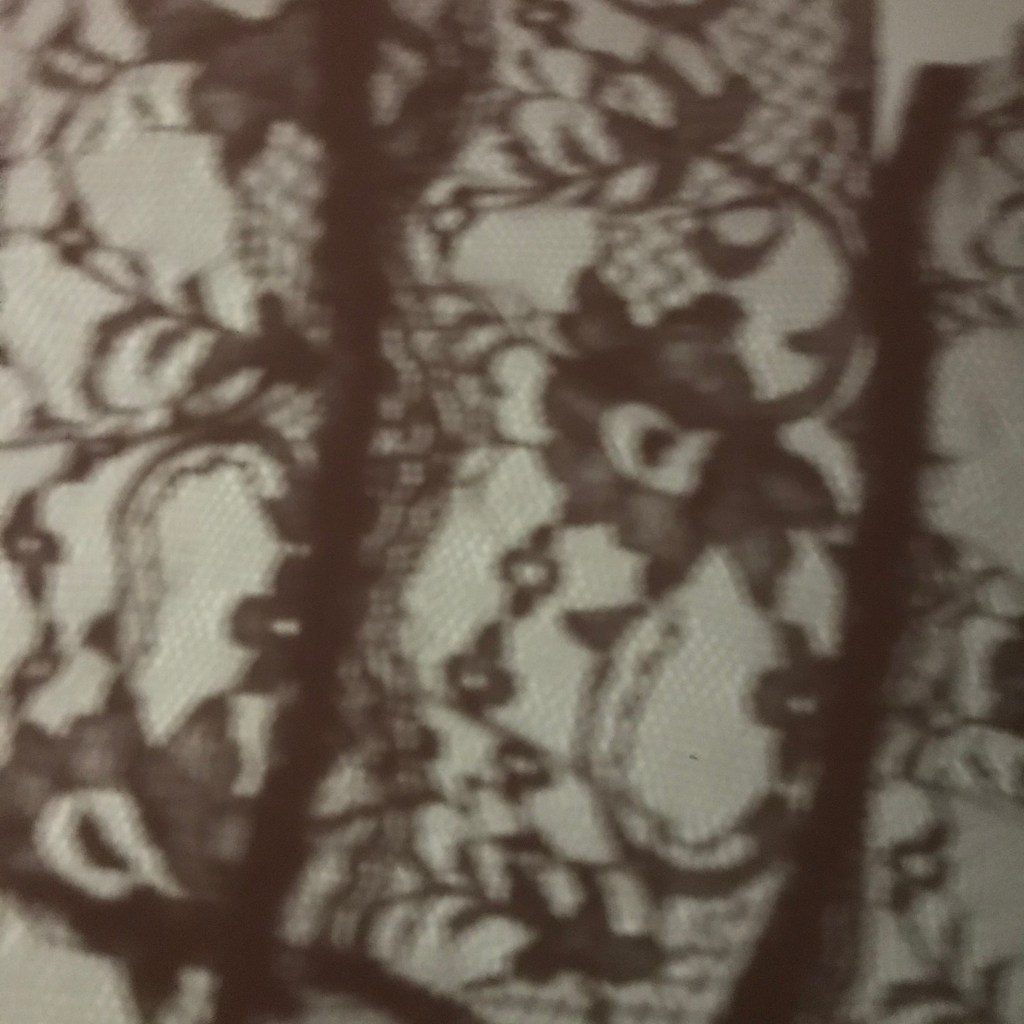
Photograph; a shadow of lace produced by shining a torch through, 4×6 inch
After discovering the effectiveness and versatility of photography I moved onto experimentation with manipulating light this made for artificial intervention of semi-transparent objects such as glass, lace etc being used to alter how light was projected. This also led to using foiled paper, mirrors and prisms which would bend or reflect the light source entirely differently without needing to look through another object. Whilst sticking to representation of light and its properties, all of this allowed me to change the atmosphere of each photo; the lace being more sensual and moody, the mirrors, prism and paper being more vibrant but mysterious which was a concept I found particularly exciting as it allowed for a wide scope of outcomes whilst keeping the focus on what I found beautiful and was attempting to demonstrate to viewer.
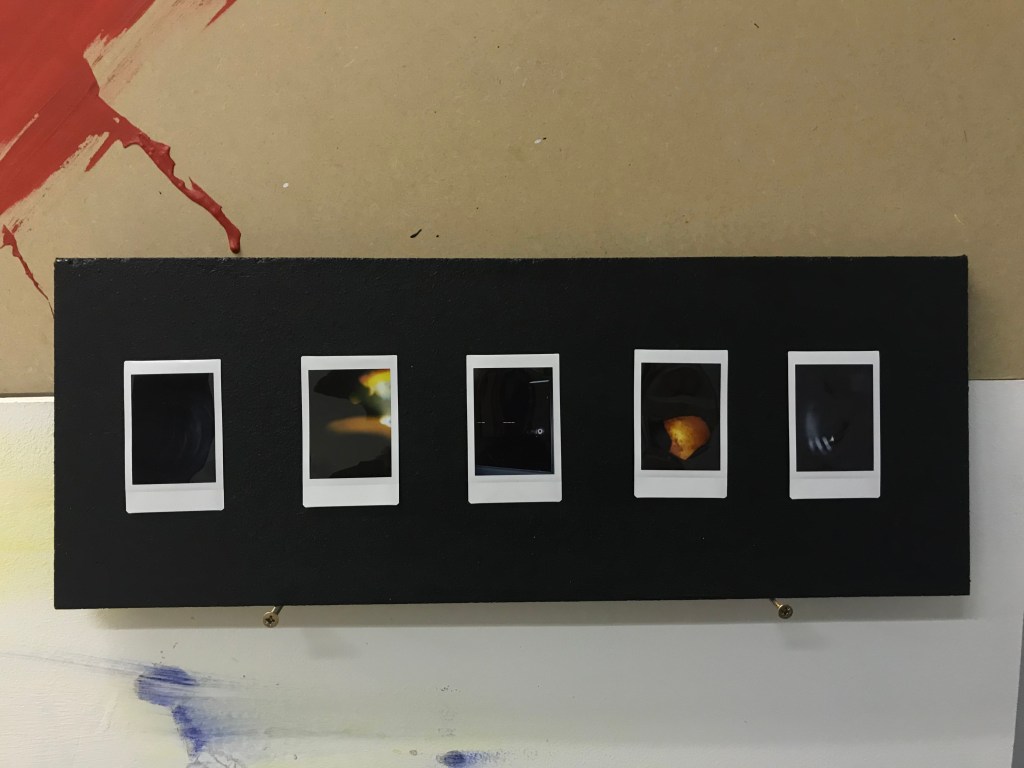
Whilst continuing to experiment with the manipulation of light, I moved onto using Polaroid film as I found this allowed for a much more raw focused image. However the presentation for this was quite challenging and above is my first example of how I would present my work. Whilst my exhibition piece (Manipulation of 430-750THz) is drastically different I valued this stage in my process as it allowed me to think bigger and evaluate how I was presenting my work and the factors contributing to that, especially whether it was underwhelming or did not portray what I wanted.
Skills
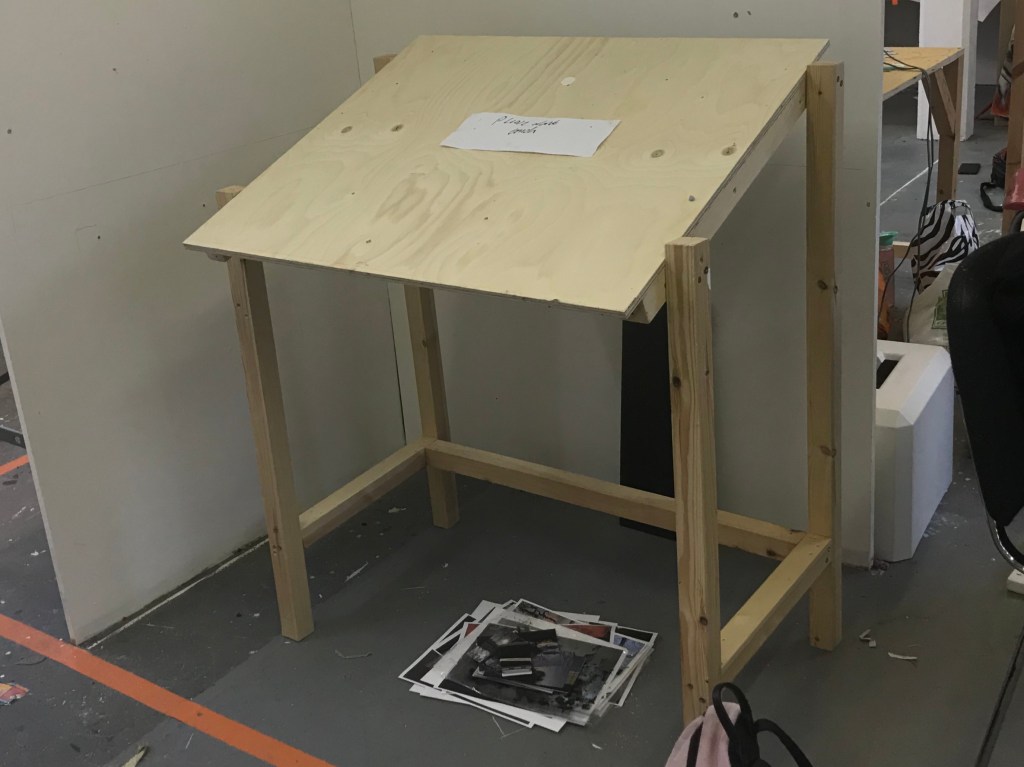
One of the most important skills I felt I learnt this past year was working within the wood workshop. This allowed me to explore a much larger variety of art ideas and allowed for me to work on bigger projects alongside exploring more opportunities with how I presented my work. In addition to this it most importantly allowed me to develop the skills to tailor my studio space to my needs allowing me the freedom to have exactly the space I required.
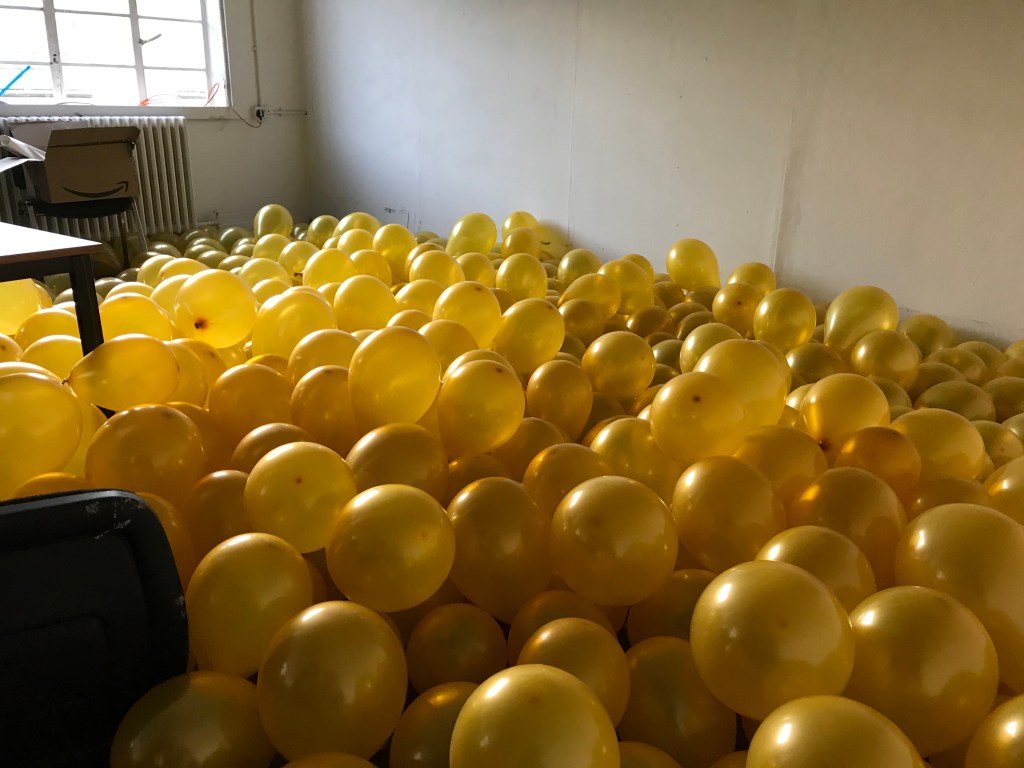
‘ How to exhibit’ balloons arranged within session exploring use of exhibition space 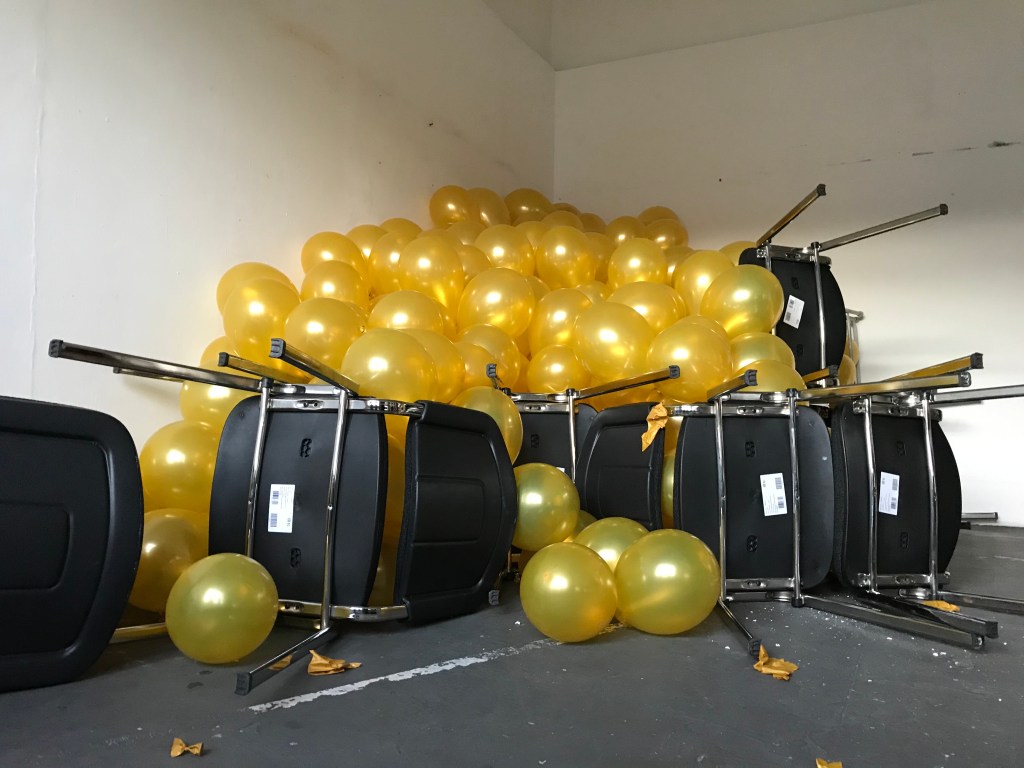
‘ How to exhibit’ balloons arranged within session exploring use of exhibition space
One session which made a particular impact on me and how I present my artwork was a workshop in which we explored the ways we used our exhibition space and presented our art work. This drew my focus in particular to how we used the space (Eg floors, walls) within our allocated exhibition room and where we placed our artwork in relation to those around it. Particularly in the past I had not focused on who’s artwork was presented by mine and this work shop forced me to consider these factors alongside where within the room I placed my art particularly in regards to Manipulation of light 430-750THz as it lead me to finding a space which allowed it to stand alone below a skylight further drawing upon my theme of light.
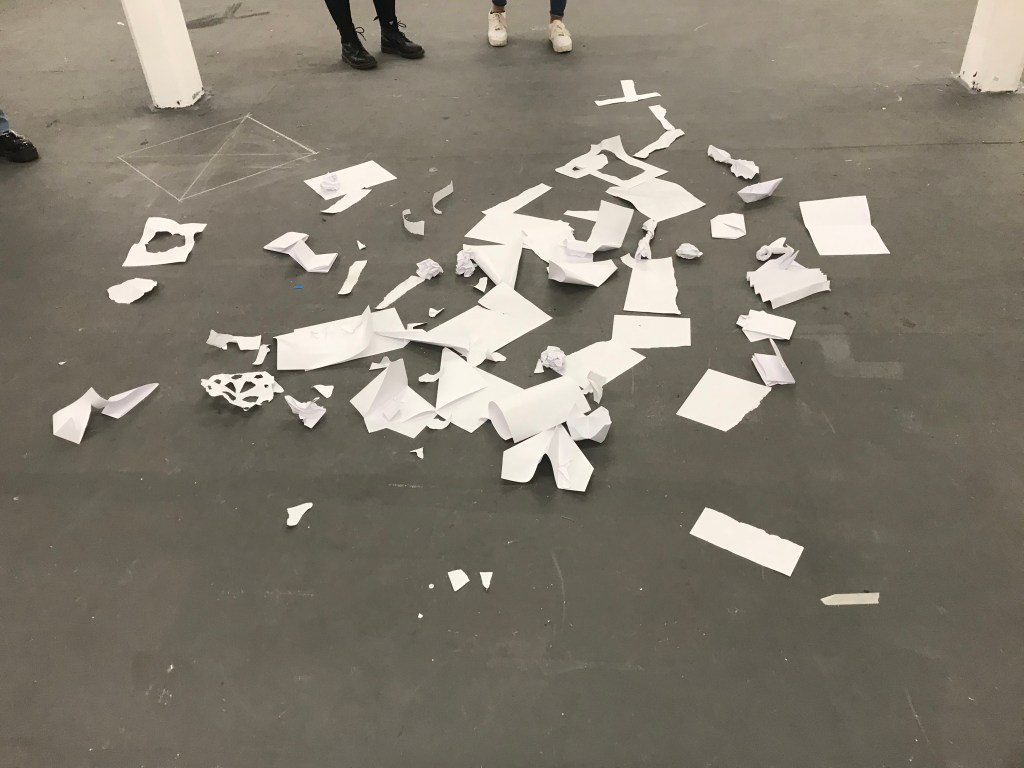
Paper manipulated by a group of people 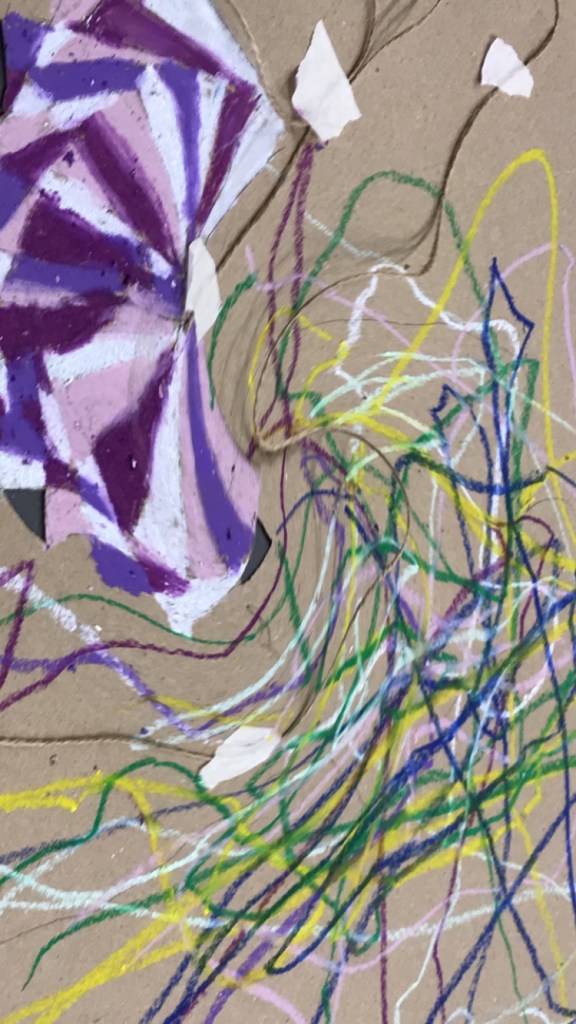
Marble and Teabag inspired art, pastel on brown paper
The session titled ‘The Material Object; in and out of the body‘ was also particularly impactful in relation to my exhibition piece as it allowed me to consider taking any object/concept at all and to just create art from it without thinking to much in depth towards the outcome for inspiration. This lead me to my focus on manipulating light as I had no starting point for my art work exception for a my interest in sunsets and fascination in regards to them. Originally I would have perceived this as quite a limiting focus and not created art around it however this session inspired me to create any thing from even the simplest of concepts.
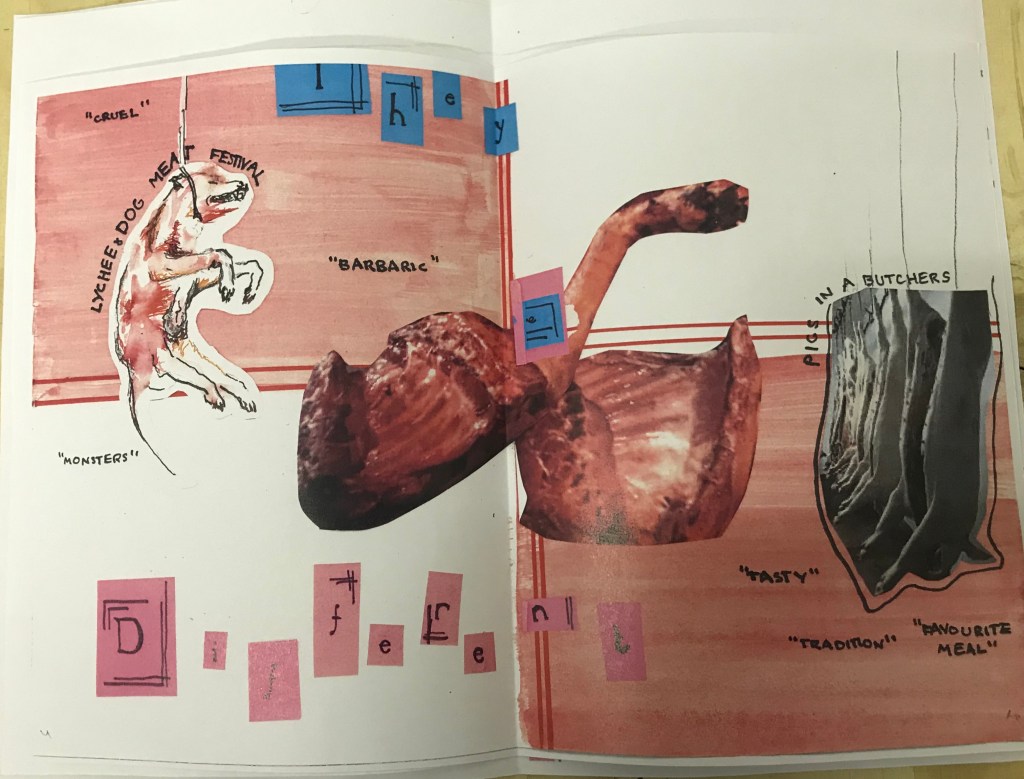
Zine created in workshop (scanned) 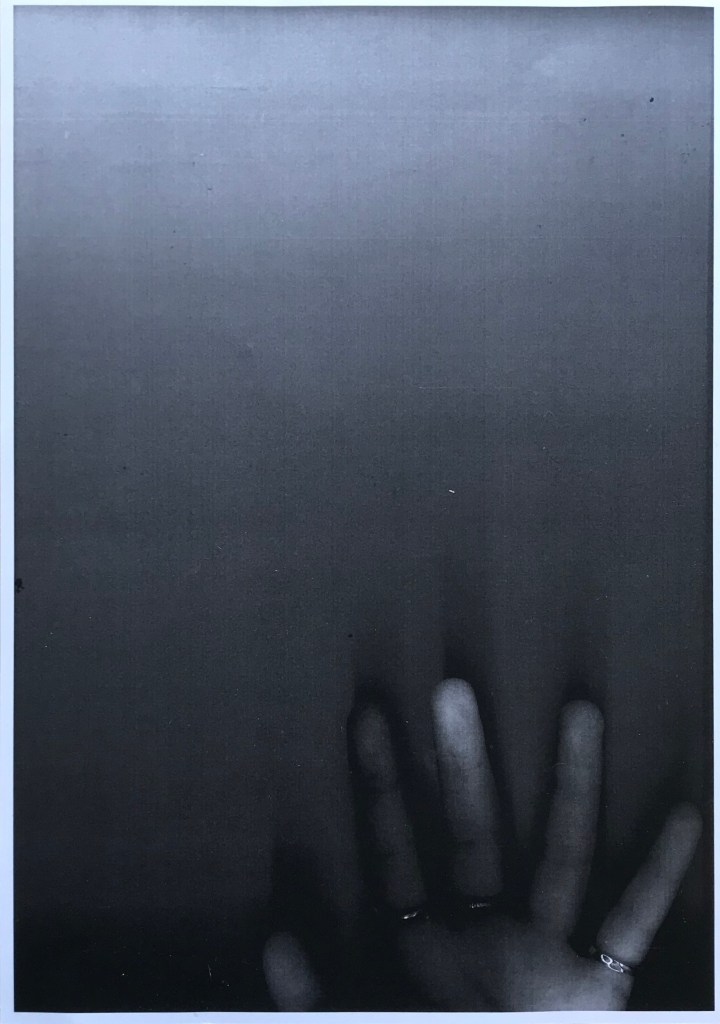
Scanned image of hand; inspired from workshop
Zines was a workshop exploring the world of small magazines created by artists across the world. Whilst individually I found this concept to be something I wanted to experiment with, providing me with a form of art which may be mass distributed which was particularly relevant to forms of political or satirical art. However one element that I took from this workshop into my own practice was the method of scanning. Before I had never considered this to be a way of creating art however following this workshop and seeing the finished image it created I experimented in my own time with scanning various objects forming new images without the use of a camera.
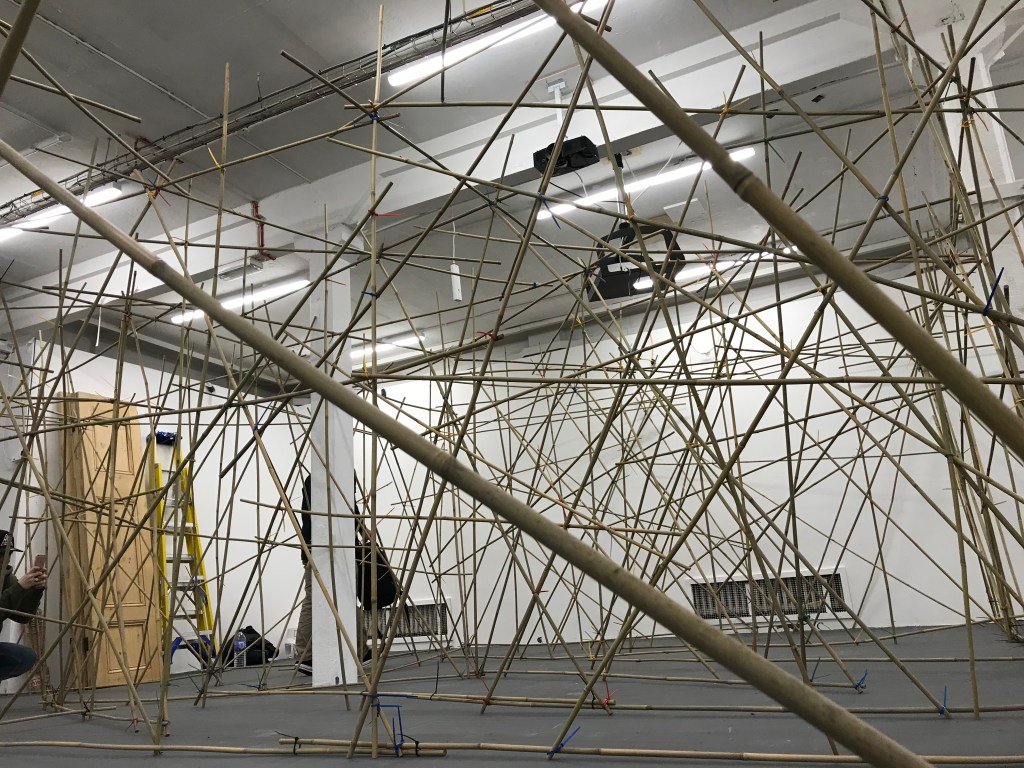
Within my very first session when presented with a stack of bamboo sticks making them ‘fill the space’ I was very taken aback as this was a foreign way to create art to me. Never the less this workshop in particular probably made the biggest impact upon me and my art practice as it opened me up to creating art that wasn’t exclusive to a canvas. It also introduced an interactive element to the art I produced and a new found appreciation for the personal effect my art had upon the perceiver.
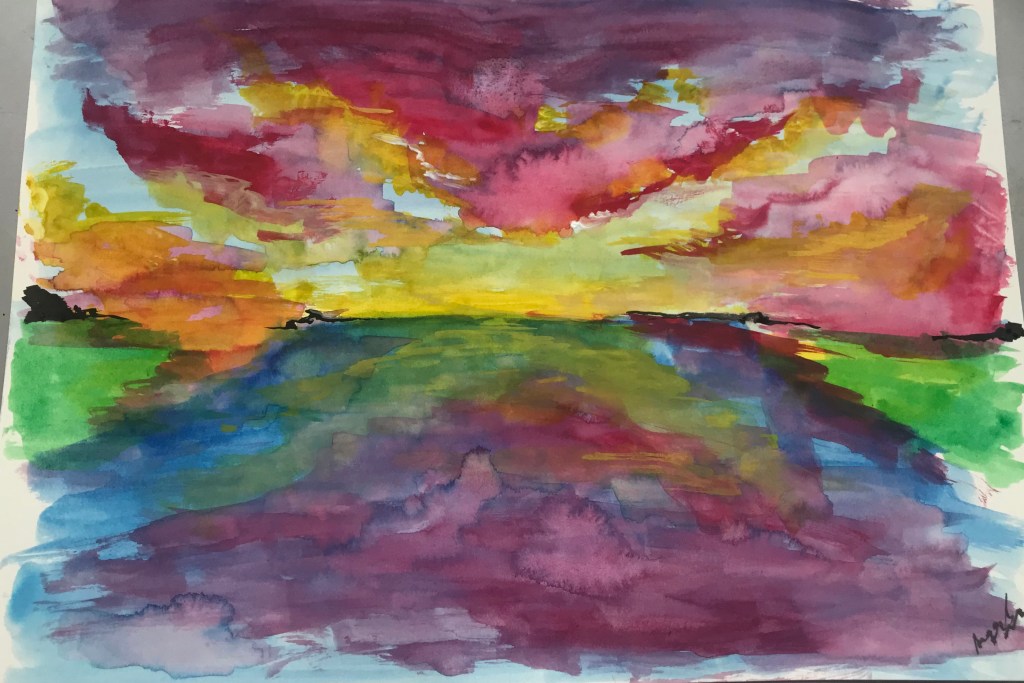
Whilst watercolour was a medium I was familiar with I took a material session in which was not exclusive to in pan colours (As i was used to) but also marker, ink, pastel and many other forms of watercolour. This allowed me to expand my knowledge and application of a medium I was already confident in, however exposed me to many more ways to utilise it with every means provided allowing for difference in vibrance, application and interaction between for example pen and tube watercolour.
Another material session I participated in was an exploration into audio art which I was completely unfamiliar with and often had little interest in. However this workshop taught me how to record and edit audio which allowed for a larger variety in what I could do with the material itself. This was particularly useful within another module when creating an audio piece within a group, allowing for a well edited project and easy manipulation of the audio to do what we desired itself.
Artistic Influences
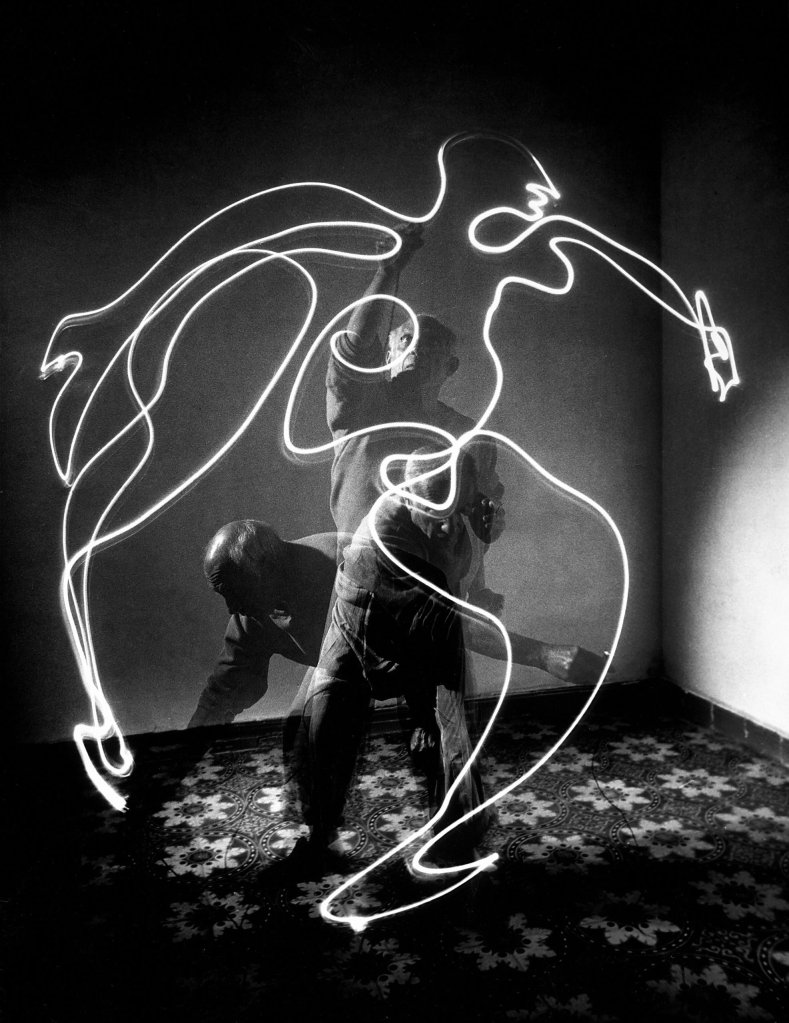
Pablo Picasso was an artist who’s trade was expansive from Painting to Sculpture to Printmaking to Ceramics, Design and Etching. Most famous for his cubist paintings where he picked apart objects and reformed them upon a canvas, remaining to be well acknowledged and accomplished artist in many mediums.
A big inspiration for my piece titled Manipulation of 430-750THz came from Pablo Picasso’s long exposure shots using light to paint. Using a small electric bulb in a dark room then photographing this using small exposure Picasso painted within the air using light as his brush. Whilst I did not create any long exposure light paintings I was interested into concept of how you could use light, and manipulate it (hence the title of my piece) in a way that created an entirely new image. In particular this inspired the use of lace, foil, glass etc to use light to create a new image creating the basis of my piece. (As demonstrated below).
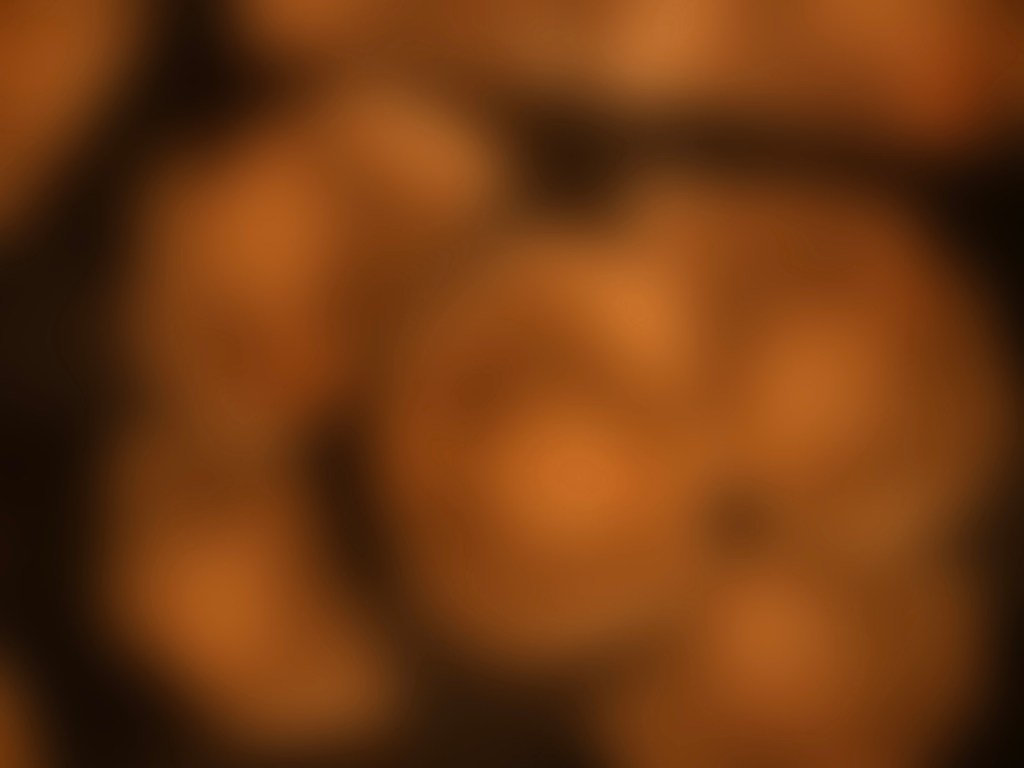
Blurred photo of mirrors surrounding a lamp, Avigayil Ashton 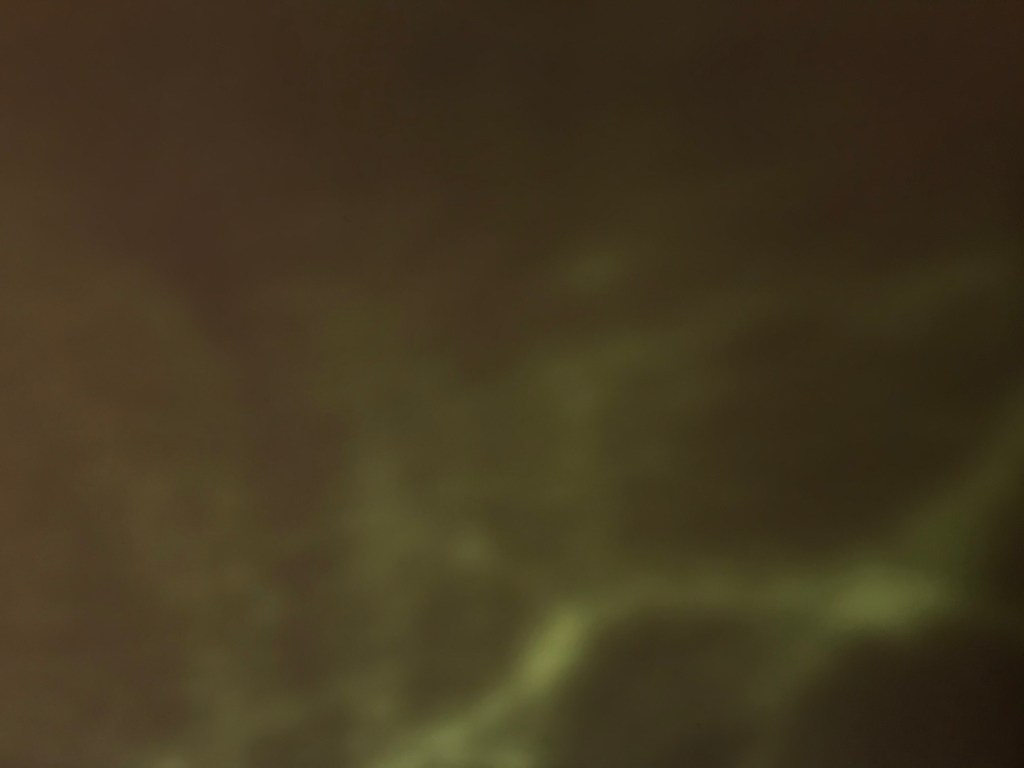
Foil reflected onto a wall using a torch, Avigayil Ashton
Upon visiting the Tate Modern I was introduced to Aldo Tambellini’s work which consisted of applying black paint onto many glass slides or celluloid film and then burn, scratch or pierce circles and spirals onto the surfaces creating many new forms of images. Aldo Tambellini’s career began as a sculptor and a painter. By the early 1960s he helped to develop what is now seen as expanded media, combining photography, television, film, poetry, slide projection and performance.
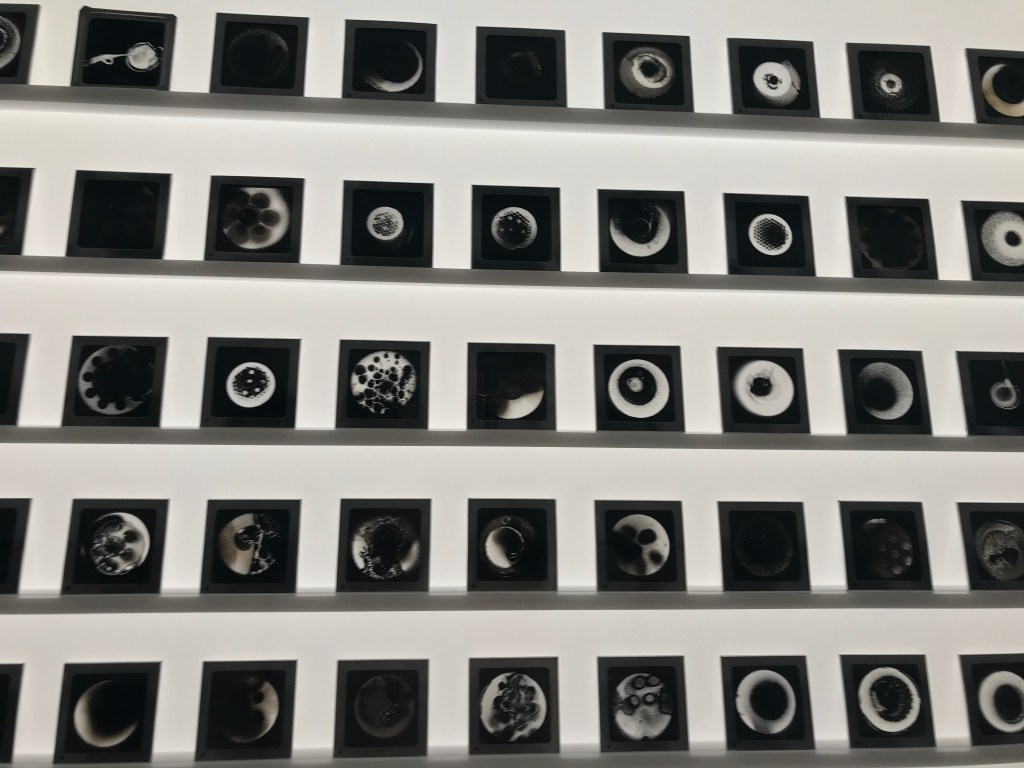
I found this work interesting due to its quality of being displayed as a series. This in particular inspired the nature of a ‘series’ in my art piece Manipulating 430-750THz as it presented me with artwork that could exist expansively alongside many similar images allowing me to constantly add to my piece so long as I kept up a consistent theme.
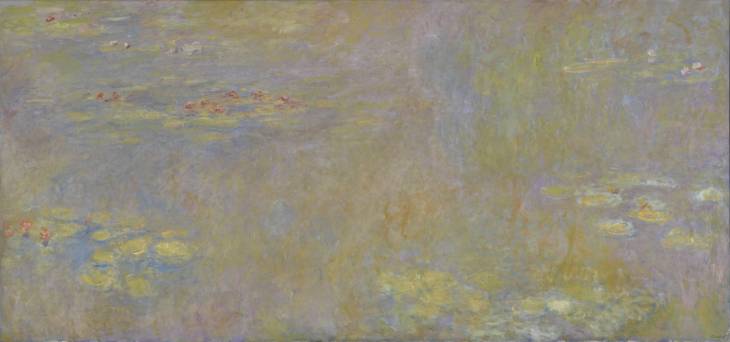
Water-Lilies after 1916 Claude Monet 1840-1926 Lent by the National Gallery 1997 http://www.tate.org.uk/art/work/L01903
Monet was exclusively a painter, well known for founding French Impressionist painting alongside being the most consistent and prolific practitioner of the movement’s philosophy by which one expresses one’s perceptions before nature, especially as applied to plein air landscape painting.
Claude Monet is one artist whom specifically has consistently been one of my biggest inspirations. From the size of his paintings to the way in which they are painted his work has always left me in awe. This specifically inspired me in my first attempts at tackling ‘light’ in regards to my acrylic paintings of Hyde Park and a sunset. Whilst I ultimately did not stick with this way for representing my chosen focus these pieces significantly impacted my outlook and further development of my project and kept my interest in the colours I was using throughout.
Further Influences
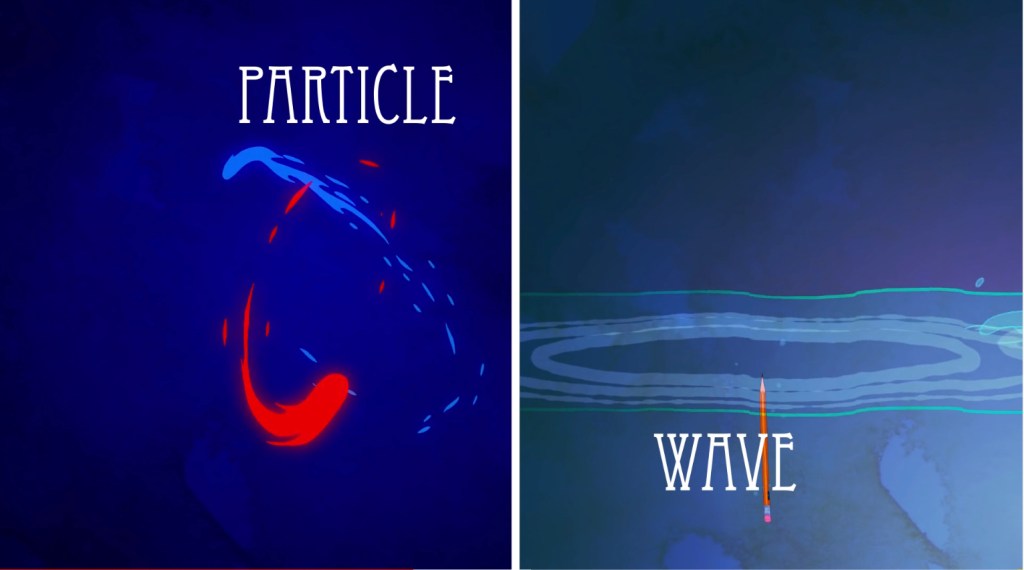
Ted-ED’s video on the properties of light was a video which sparked a lot of interest and curiosity into light and its properties (scientifically ) which allowed me to consider a larger scope in ways it could be manipulated. This sparked further interest in the scientific properties leading to my discovery in refraction, reflection and the effect of objects such as a prism. As a result I acquired numerous objects (As mentioned in experimentation) and took these principles to the test allowing for a large variety of photographic documentation fo the manipulation of light.
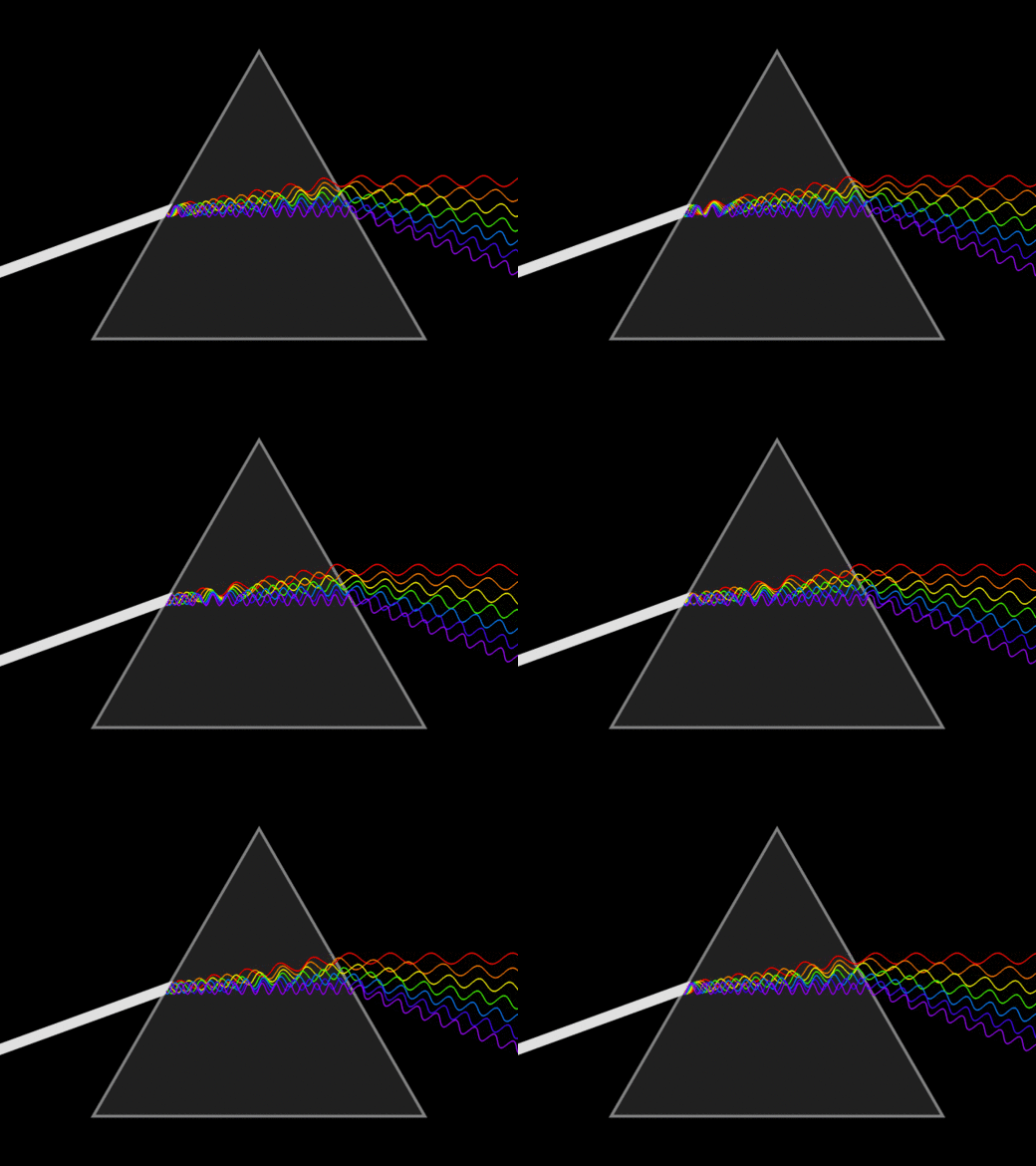
 Avigayil Ashton